
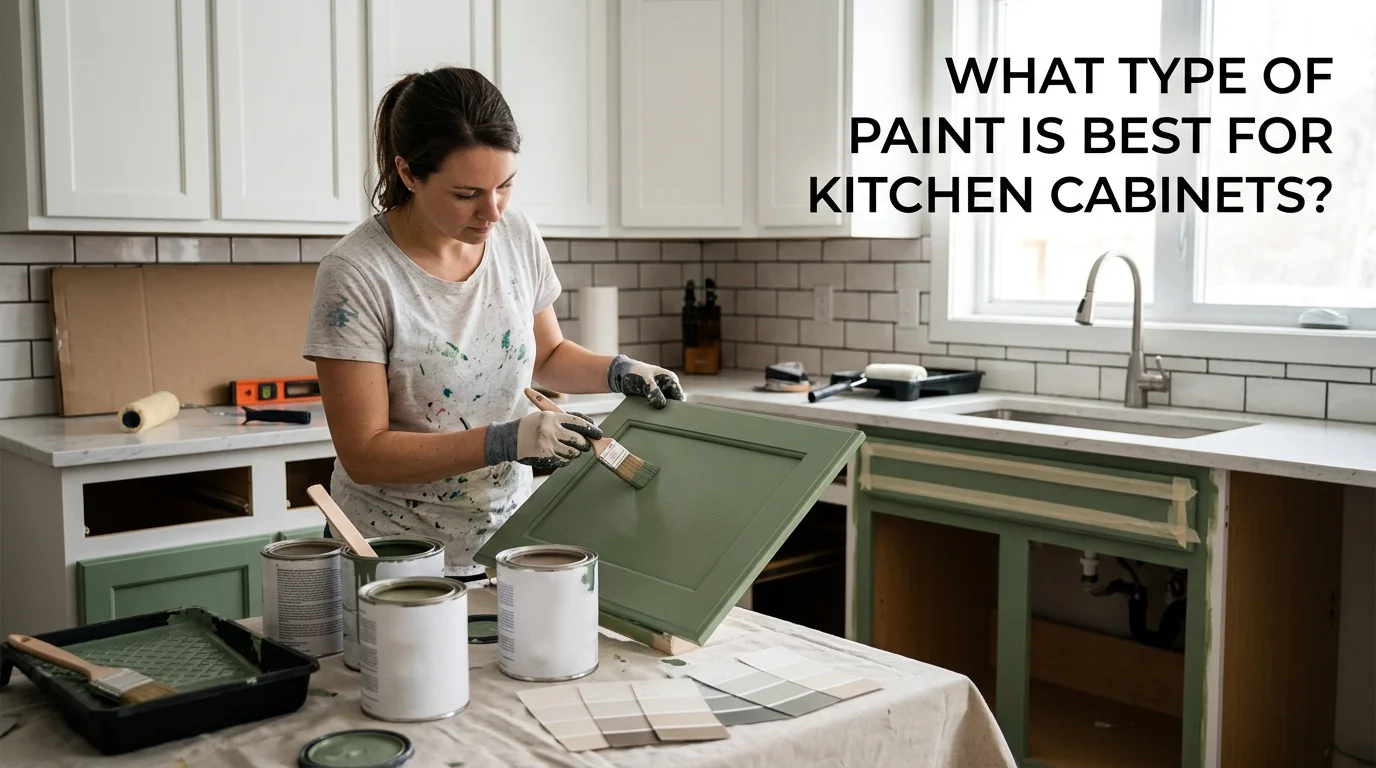
Kitchen cabinets deal with more daily wear than most painted surfaces in a home. Hands open the doors throughout the day. Grease and food splashes land on the finish. The surfaces are wiped clean, while moisture and heat add more wear over time.
That makes choosing the best paint for kitchen cabinets different from choosing paint for a bedroom wall. Cabinet paint needs to adhere well, cure into a durable surface, and stand up to regular handling and cleaning. The material and condition of the cabinets also affect which coating system will work best.
For most cabinets, a quality coating made for cabinets, doors, or trim is a superior starting point than ordinary wall paint. The best choice depends on the cabinet material, finish, use, and visual appeal you want.
| Pro Tip: Waterborne alkyd and quality acrylic or acrylic-alkyd enamels are strong choices for kitchen cabinets because they provide good adhesion, durability, and a finish suited to regular cleaning and use. Oil-based coatings can also work, but they involve stronger odors, solvent cleanup, and longer drying times. |
What Makes Paint Suitable for Kitchen Cabinets?
Cabinets need a coating that can resist repeated contact and cleaning. A wall receives little physical contact after it is painted. A proper cabinet coating should cure into a surface that can handle normal household use without scratching or wearing away during the cleaning.
Cabinet Paint Needs More Than Good Coverage
A paint can cover an old color well and still be a poor choice for cabinets. Coverage is only one element of the job. Choose products made for surfaces such as:
- Kitchen cabinets
- Interior doors
- Trim and millwork
- Furniture or high-contact surfaces
The manufacturer’s instructions are more helpful than the word “enamel” printed on the front of the can. Different products sold as enamels can use different resin systems and have different performance characteristics.
| Pro Tip: Do not judge cabinet paint by how quickly it feels dry. A coating can feel dry to the touch while it is still curing. Follow the manufacturer’s recommended cure time before putting painted doors and drawers back into heavy daily use. |
What Types of Paint Are Best for Kitchen Cabinets?
Several types of paint can work well on kitchen cabinets. The choice is not simply between water-based and oil-based paint. The paint’s formula, how it is designed to be used, and how it is applied all affect the final result.
Water-Based Acrylic Paint
A quality acrylic coating made for cabinets or trim is a practical choice when easier cleanup and lower odor are important. It is important to separate cabinet-grade acrylic enamel from ordinary acrylic wall paint. Both may be water-based, but they are not designed for the same level of handling and cleaning.
Waterborne Alkyd Paint
Waterborne alkyd is another option for cabinet work. It combines alkyd resin technology with a water-based cleanup system. One reason it is often considered for cabinets is its flow and leveling. When applied correctly, it provides a smooth finish with fewer visible brush marks than some ordinary paints.
Oil-Based Paint
Traditional oil-based paint has been used on cabinets and trim for years because it creates a hard finish and levels out well during application. It usually has a stronger odor and can take longer to dry. Some traditional alkyd coatings may also yellow over time, especially under certain conditions.
That does not mean oil-based paint is a bad choice for cabinets. Its benefits simply need to be weighed against the project conditions and the specific product being used.
What Does “Cabinet Enamel” Mean?
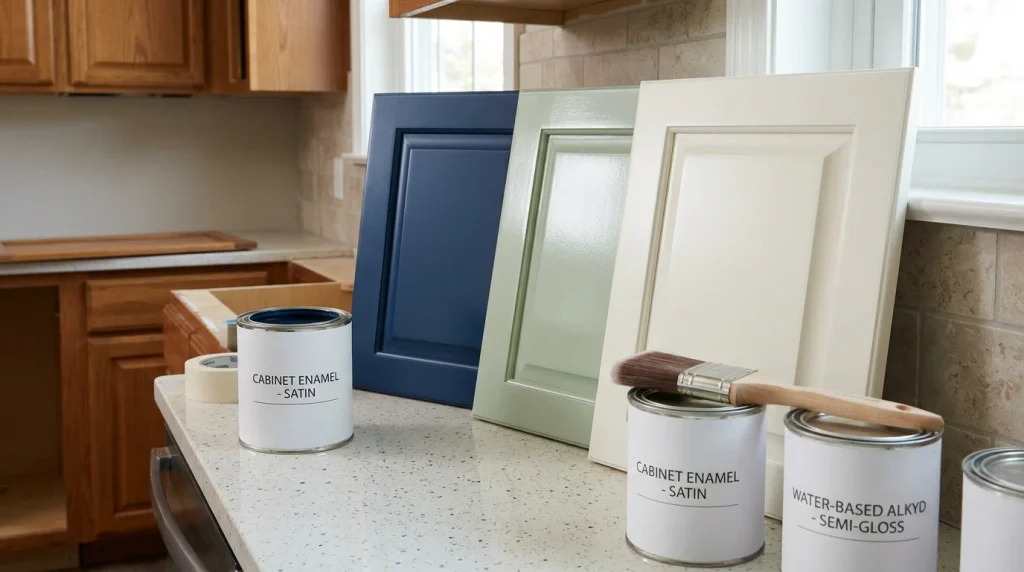
“Enamel” does not refer to one specific type of paint. A cabinet enamel can be made with acrylic or another type of resin. That means two paints labeled “enamel” can have different instructions and perform differently. When comparing products, look beyond the word “enamel.” Check which surfaces the manufacturer recommends, which primer is appropriate for use with the paint, and how long the paint needs to cure.
Which Cabinet Paint Should You Choose?
The ideal choice depends on what matters most for the project.
| Paint type | Best fit | Main advantages | Things to consider |
| Water-based acrylic | Projects where easy cleanup and lower odor matter | Convenient cleanup and practical application | Quality and durability vary by product |
| Waterborne alkyd | Smooth cabinet finishes where flow and leveling matter | Good flow and leveling characteristics | Needs adequate time to cure |
| Oil-based | Projects where traditional application characteristics are preferred | Strong leveling and a hard finish | Odor, solvent cleanup, and longer drying |
| Cabinet enamel | Cabinets that need a coating intended for everyday handling | Available in several durable formulations | “Enamel” does not identify one chemistry |
Do not choose a coating simply because it sounds harder. The product needs to be suitable for the surface underneath it and the conditions in which the kitchen will be used.
| Useful Tip: When comparing two cabinet coatings, check the manufacturer’s technical information rather than relying only on the front label. Look for recommended surface cure time and cleaning instructions. |
Does Cabinet Material Affect the Paint You Need?
Yes. The surface underneath the paint affects preparation and adhesion. The same coating system that works well on prepared wood may not be the right choice for laminate or an exposed MDF edge.
Wood Cabinets
Wood is generally a practical surface for painting, but its existing finish is what matters. Stained or previously painted cabinets may have old paint, repairs, or a glossy surface that needs attention before a new coating is applied. A smooth topcoat can also make wood grain and repairs more noticeable. The final finish depends on surface preparation as much as the paint itself.
MDF Cabinets
MDF performs differently from solid wood, especially along exposed or cut edges. Those areas can be more absorbent and need proper sealing or priming before the finish coats are applied. The primer and topcoat should both be suitable for the substrate.
Laminate Cabinets
Laminate presents a different adhesion challenge because the factory surface is smooth. Cleaning is essential, and appropriate surface preparation may be needed before applying a bonding primer. The goal is to create a surface that the new coating can properly adhere to.
Plywood Cabinets
Plywood can vary depending on its surface material, existing finish, and condition. The surface should be assessed before choosing the coating system.
| Cabinet material | Main concern before painting |
| Wood | Existing finish, repairs, and surface condition |
| MDF | Absorbent edges and appropriate sealing |
| Laminate | Surface preparation and adhesion |
| Plywood | Face condition and existing coating |
What Paint Finish Is Best for Kitchen Cabinets?
Paint type and sheen are two different decisions. The paint formulation affects how the coating performs. Sheen affects how much light the surface reflects and how visible imperfections may become.
Satin
Satin provides a softer level of reflection than semi-gloss and can give cabinets a more understated look. It is a practical choice when you want some sheen without making every surface reflection obvious.
Semi-Gloss
Semi-gloss reflects more light and is a common choice for kitchen cabinets. Its higher sheen can make cleaning easier, but it can also make scratches, uneven repairs, and surface imperfections more noticeable.
Matte
Matte finishes have very little reflection and can create a softer appearance. Cleaning performance depends on the specific product, so do not assume every matte coating will perform the same way on regularly handled cabinets.
High Gloss
High gloss creates the most reflective look of these options. It can look stunning on properly prepared cabinets, but it is less forgiving of surface flaws.
| Pro Tip: Look at a real sample on a cabinet door before selecting the sheen. A small paint chip does not show how light will reflect across an entire cabinet surface. |
Do Kitchen Cabinets Need Primer Before Painting?
Primer is not simply an extra coat that every cabinet automatically needs. It is part of the coating system and becomes useful when the existing surface is difficult for the finish coat to bond to.
Primer can be particularly important for:
- Raw wood
- Stained cabinets
- Glossy existing finishes
- Laminate
- Repaired areas
- MDF edges where appropriate
The primer should be compatible with both the surface and the finish coat.
Preparation Comes Before Primer
The primer cannot solve problems that should have been addressed during preparation. Grease and other contaminants can interfere with adhesion. Cabinets need thorough cleaning and degreasing before sanding or painting.
What Should You Check Before Buying Cabinet Paint?
Once the cabinet material and preferred finish are understood, the product information becomes much easier to evaluate.
Look for manufacturer guidance covering:
- Intended use: The product should be recommended for cabinet and door surfaces.
- Compatible surfaces: Check whether it is suitable for the material to be painted.
- Primer recommendations: Some coatings work with specific primers or need one for certain surfaces.
- Recoat time: This tells you when another coat can be applied. It is different from full cure time.
- Cure time: Cabinets feel dry but still need additional time before they can handle normal use.
- Application method: The product may have specific recommendations for brushing or spraying.
- Cleaning instructions: A cabinet coating should be able to handle the type of routine cleaning expected in the kitchen.
The technical data sheet can provide more useful information than the front label. It can also prevent a common mistake: choosing a product based only on color or sheen without checking whether it is designed for the intended surface.
Frequently Asked Questions
What kind of paint is best for kitchen cabinets?
A quality coating designed for cabinets or doors is generally the best starting point. Water-based acrylic and oil-based products can all work when the formulation is appropriate for the surface and the project.
Is water-based paint recommended for kitchen cabinets?
Yes. A quality water-based cabinet coating can provide excellent performance when it is designed for cabinet use and applied over a prepared surface.
Is oil-based paint better for kitchen cabinets?
Not automatically. Oil-based paint can give a hard, smooth finish, but it also has a stronger odor and longer drying considerations
Is alkyd paint good for kitchen cabinets?
Alkyd and waterborne alkyd coatings can be well suited to cabinet work because of their flow and leveling characteristics. The specific product and preparation system still matter.
Is satin or semi-gloss better for kitchen cabinets?
Both can work well. Satin provides less reflection, while semi-gloss has more sheen and is commonly chosen for surfaces that receive frequent cleaning.
Do kitchen cabinets always need primer?
No. The need for a primer will depend on the existing surface and the coating system. Primer is particularly useful for raw, glossy, repaired, or difficult-to-bond surfaces.
Professional Cabinet Painting in Boston
The coating is only one part of a flawless cabinet paint. Surface preparation, primer choice, application procedure, and proper curing all shape the finished outcome.
For homeowners in Boston and other Massachusetts communities who want professional cabinet repainting, Kitchen Redux takes care of the preparation and painting process from start to finish. We offer a no-charge consultation to discuss your cabinet painting options. Call us at (774) 773 8387 for the cabinet painting project.