
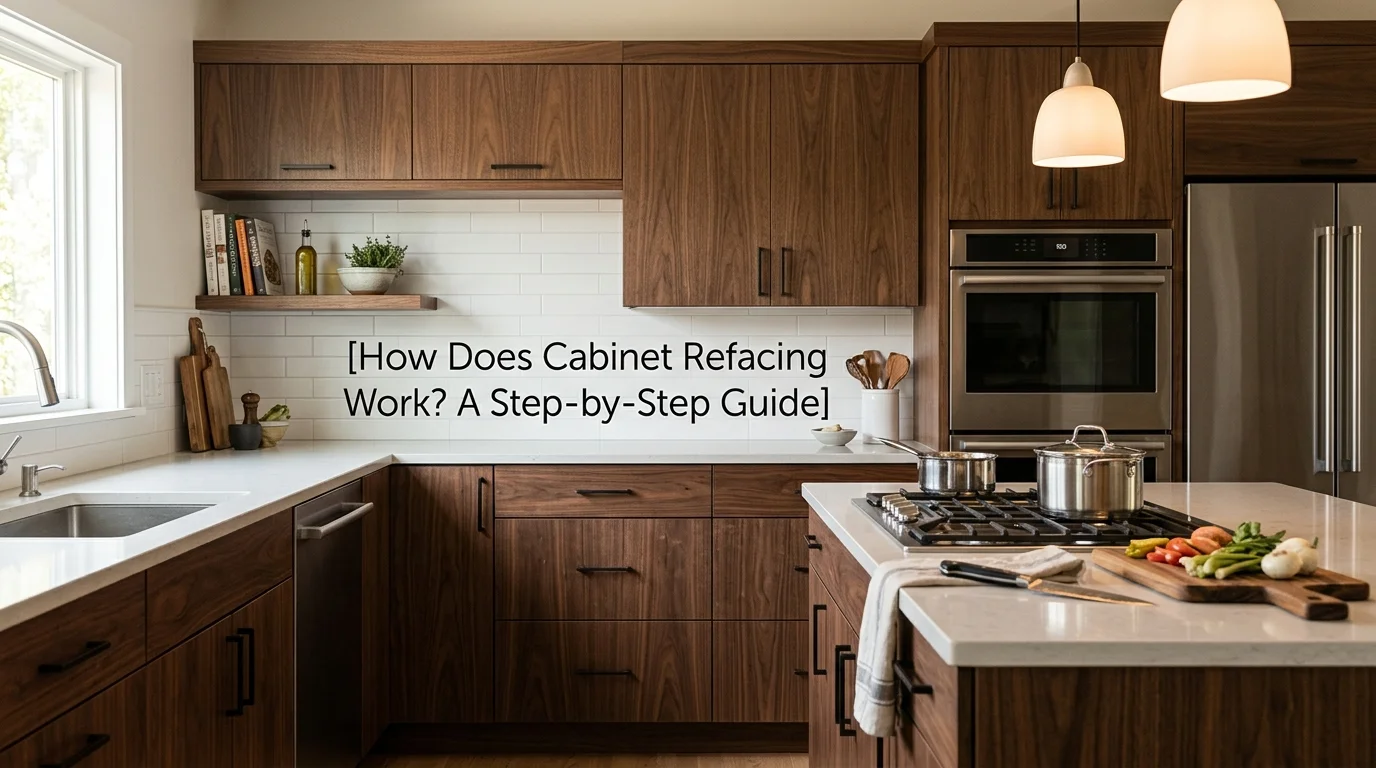
If you don’t want to move the kitchen cabinets or change the layout, you can change the look of your kitchen with cabinet refacing. If a homeowner’s cabinets are structurally sound but are just outdated, it can be a viable option between refinishing and complete kitchen remodeling.
The cabinet refacing process, its steps, what occurs at each step, and when it is suitable for a home in Hanson, MA, or any other Massachusetts residence.
What Is the Cabinet Refacing Process?
The cabinet refacing process involves replacing the cabinets’ visible surfaces with new ones, while leaving the cabinet boxes intact. A professional doesn’t have to remove the entire cabinet system, but will only remove and replace the doors and drawer fronts, cover exposed cabinet surfaces with matching material, and install new hardware.
This is best suited when the cabinets you already have are still in good shape and the kitchen layout is still appropriate. Refacing can minimize the disruption of a complete kitchen renovation for residents of Hanson, MA, and others in Massachusetts, since cabinet boxes, countertops, and many of the existing kitchen structures can stay in place during the refacing process.
Step 1: Inspecting the Existing Cabinet Structure
Before any materials are ordered, the existing cabinets need to be evaluated. A professional checks whether the cabinet boxes are structurally sound and securely attached. Some cosmetic damage can be remedied during preparation, but severe water damage, broken cabinet boxes, and significant structural issues may warrant a replacement.
The inspection also takes into account your satisfaction with the way your kitchen is currently arranged. Refacing does not redesign the room; it changes the appearance of the cabinets.
Step 2: Choosing the New Style and Materials
After determining that the cabinets are good candidates, design selection starts. This is where homeowners choose the look of the finished kitchen.
Typical selections include:
- New cabinet door style
- Drawer front design
- Veneer or laminate for exposed cabinet surfaces
- Color or wood finish
- Knobs and pulls
- New hinges, including soft-close options
- Optional molding or other finishing details
One homeowner might want Shaker-style doors for the traditional kitchen, and another may opt for a slab door in the more modern kitchen. The overall form of the cabinet remains unchanged, but the front surface can be completely different.
Step 3: Removing the Old Doors and Drawer Fronts
The process begins by taking out the existing cabinet doors, drawer fronts, hinges, and hardware. The cabinets are basically left in place. One of the largest differentiations between refacing and a total kitchen remodel is the fact that the whole cabinet system could be taken out in the latter situation.
After the doors are removed, the professional can get to the face frames, exposed sides, and other surfaces that require preparation.
Step 4: Preparing the Cabinet Boxes
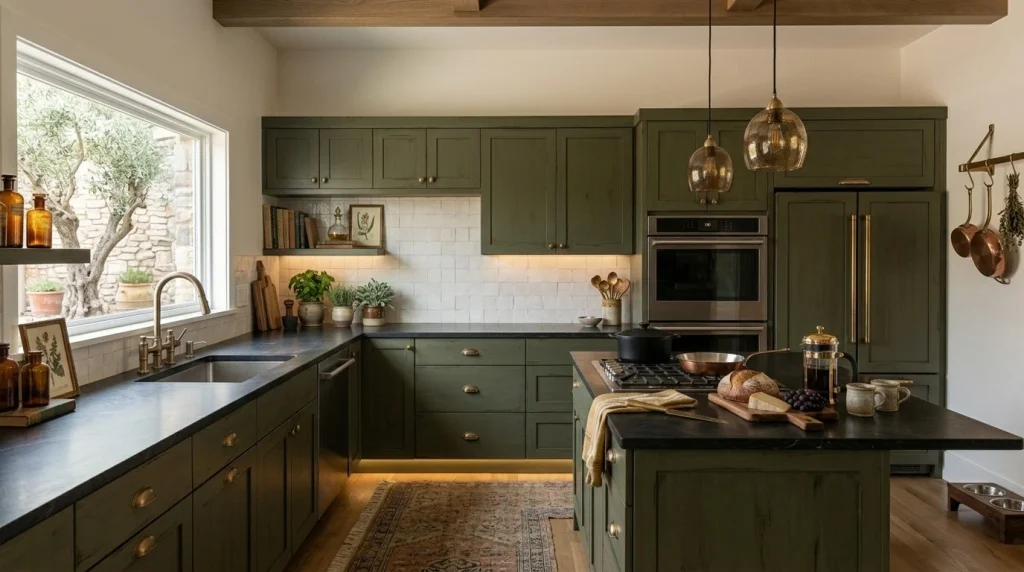
Preparation is an important part of professional refacing. A cabinet surface must be cleaned and primed for the new cabinet surface to fit and bond correctly.
The installer may:
- Clean grease and residue from the cabinet surfaces
- Repair minor imperfections
- Sand or smooth the selected areas
- Prepare exposed sides and face frames
- Check alignment before new materials are installed
There is a need for attention to detail at this stage. Without the proper preparation of the cabinet surfaces, gaps, uneven edges, and poor adhesion can ruin the final look.
Step 5: Applying Veneer to the Existing Cabinets
This is where the existing cabinet boxes begin to change visually. The visible parts of the cabinet structure are covered with a matching veneer or other type of finish. This can range from face frames, exposed sides, end panels, and more, depending on the project, and all will be visible once the new doors are hung.
The idea is to make the existing cabinet boxes match the new doors and drawer fronts in appearance. If installed correctly, the completed cabinets can appear as a fresh installation, even though they are based on the original cabinet design.
Step 6: Installing New Doors, Drawer Fronts, and Hardware
The new doors and drawer fronts are then fitted after the cabinet boxes have been refaced. New hinges are attached, and each door is adjusted to obtain the same spacing and alignment. Drawer fronts are also placed strategically for evenness throughout the kitchen.
Lastly, the chosen equipment is put together. Handles, knobs, and soft-close hardware can have a clear impact on both look and usability.
Step 7: Final Adjustments and Inspection
The final step is checking the completed cabinet transformation.
A professional installer should inspect:
| Area | What Is Checked |
| Cabinet doors | Alignment, spacing, and smooth operation |
| Drawer fronts | Consistent positioning and fit |
| Veneer | Secure adhesion and clean edges |
| Hardware | Proper installation and function |
| Hinges | Smooth opening and closing |
| Overall finish | Color consistency and visible imperfections |
Final tweaks are completed before the job is officially wrapped up.
How Long Does Cabinet Refacing Take?
The actual installation time varies based on kitchen size, materials selected, and other work included. Massachusetts contractors typically calculate an estimated 3-10 days on-site for refacing alone, and even longer if the project involves countertops, backsplash work, electrical upgrades, or other modifications.
The process of replacing a whole cabinet can take several weeks to get ready, demolish, and install. One of the advantages of cabinet refacing is its shorter timeframe when the current kitchen layout seems to be working.
Cabinet Refacing vs. Refinishing vs. Replacement
These three options are often confused, but they involve very different levels of work.
| Option | What Changes | Best For |
| Refinishing | Existing surfaces are sanded and given a new finish | Cabinets with a good style but a worn finish |
| Refacing | New doors, drawer fronts, hardware, and exterior surfaces | Structurally sound cabinets with an outdated appearance |
| Replacement | All existing cabinets are taken out, and new ones are installed | Damaged cabinets or a major layout change |
Refinishing refers to the work done on the existing doors, and refacing involves the replacement of doors. Full replacement includes the removal of the existing cabinet boxes.
Refacing is somewhere between these options for Massachusetts homeowners in terms of both price and size. The estimated costs for local kitchen refurbishments vary widely depending on the dimensions of the kitchen and the materials used in the refurbishment; examples range from several thousand dollars for smaller kitchens to $10,000 or more for larger kitchens or premium refacing jobs.
When Is Cabinet Refacing a Good Idea?
Refacing can be a good choice when:
- Your existing cabinet boxes are in good condition
- You like your current kitchen layout
- The doors and drawer fronts look outdated
- You want a major visual change without a full kitchen remodel
- You want to upgrade hardware or add features such as soft-close hinges
If a homeowner wants to change the look of the kitchen but not relocate the plumbing, alter the floor plan, or replace all of the cabinet boxes, then Kitchen Redux can help determine if the cabinet boxes are appropriate for professional refacing.
When Should You Consider Cabinet Replacement Instead?
Cabinet refacing is not the right solution for every kitchen. If the cabinets have significant moisture damage, structural problems, or damaged cabinet boxes, then full replacement might be more appropriate. It might also be a preferable option if you have a big change in the kitchen layout, require a lot more storage, or need to move things around.
Refacing makes your existing product look even better. It does not tackle issues that are concealed in the failing cabinet format.
Is DIY Cabinet Refacing Worth Trying?
Some homeowners think that they can do cabinet refacing themselves to save cash. The process demands correct measurements, surface preparation, veneer installation, and alignment of the door. Errors can be apparent throughout a whole kitchen. A less refined finish if the veneers are not properly fitted, the doors are not straight, or the hardware is not properly aligned.
DIY may work for homeowners with strong woodworking experience, but professional installation can provide a more consistent result, especially for larger kitchens.
Frequently Asked Questions
How long does cabinet refacing last?
The life expectancy is determined by the quality of materials, installation, and use. Good quality doors, properly applied veneer, and durable hardware can last for many years.
Can any kitchen cabinets be refaced?
No. The existing cabinet boxes need to be structurally sound. Extensive water damage, major deterioration, or structural issues may warrant replacement of the cabinet.
Does cabinet refacing change the kitchen layout?
No. Refacing is mainly a cosmetic change to the older cabinets. If you are looking to replace cabinets, rearrange furniture, or substantially redesign the kitchen layout, you might need to replace your kitchen or get a larger upgrade.
Can I keep my existing countertops?
Often, yes. The removal of countertops may not be necessary due to the existing cabinet boxes. But this relies on the type and condition of the particular kitchen.
Is cabinet refacing cheaper than replacing cabinets?
In many cases, yes, because the existing cabinet boxes remain in place. However, the actual savings depend on kitchen size, materials, door styles, hardware, and any additional upgrades included in the project.
Final Thoughts
The cabinet refacing process is straightforward: inspect the existing cabinets, choose the new design, remove the old doors and drawer fronts, prepare the cabinet boxes, apply new exterior finishes, install new components, and complete final adjustments.
If you’re a Hanson, MA homeowner who’s satisfied with the layout of your kitchen, but not the look of your cabinets, refacing is a viable option to cabinet replacement. Kitchen Redux can help homeowners determine whether their existing kitchen cabinets are good candidates for a professional transformation.