
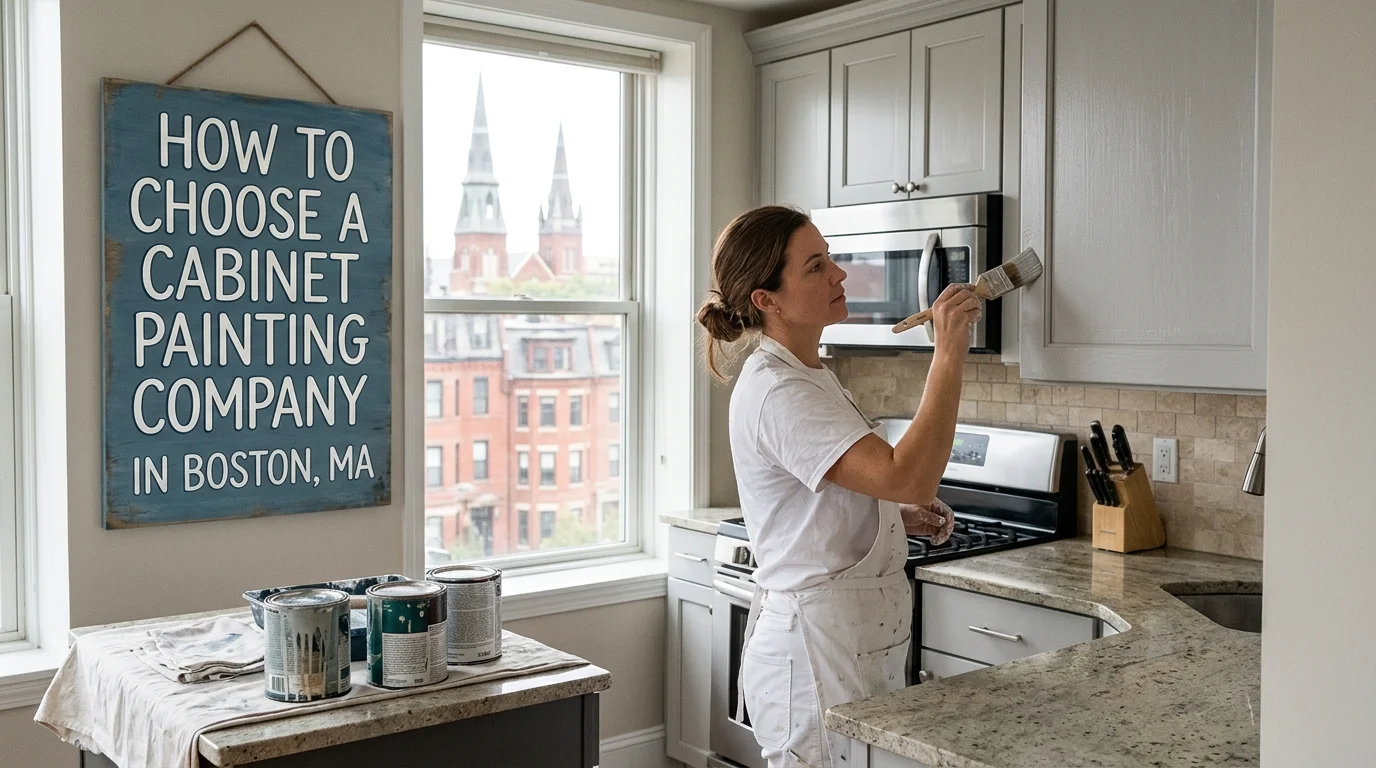
Choosing a cabinet painting company in Boston, MA, takes more than comparing prices or hiring the first available painter. Cabinets take daily wear that walls never see, so the finish depends on preparation, primer selection, and application, not just how the paint looks in a photo. Boston has plenty of painters willing to take on a kitchen, but far fewer who treat cabinet work as its own specialty. It helps to know what separates a solid cabinet painter from someone who just owns a sprayer, including how they prep surfaces, what coatings they use, and what a real estimate should include.
Look for Cabinet-Specific Experience
Painting cabinets and painting walls call for different skills, even though the tools look similar. Cabinets get touched, wiped down, and opened dozens of times a day, and they’re usually coated over factory finishes rather than bare drywall. A kitchen cabinet painting company Boston homeowners hire should treat that difference seriously.
Ask About Their Cabinet Work
Ask how much of a company’s business is actual cabinet painting experience versus general interior jobs. A cabinet painter in Boston MA, homeowners can rely on should speak specifically about cabinet doors and drawers and how their approach differs across laminate, wood, or previously painted surfaces.
Examine Completed Projects
In project photos, look at the edges around hinges and hardware for clean lines rather than smudged paint. Check whether the sheen matches across doors, drawers, and frames, since a mismatched finish often points to rushed spray work. Corners and panel edges are worth a look too, since drips and thin coverage tend to show up there first.
Find Out How the Cabinets Will Be Prepared
Preparation has more influence on how long a cabinet finish lasts than almost anything else in the process. A company that rushes this stage can still hand you a decent-looking kitchen that starts failing within a year.
Cleaning, Degreasing, and Sanding
Kitchen cabinets collect grease and hand oils that interfere with paint adhesion, so ask how a company handles degreasing cabinets near the stove and sink. Sanding and cleaning typically follow, scuffing existing finishes enough for the new coating to grip. This doesn’t mean stripping every cabinet to bare wood. A thorough clean and light sanding, paired with the right primer, is usually enough.
Ask About Primer and Coating
The primer should match the material underneath. Laminate, oak, MDF, and previously painted cabinets each call for a bonding primer suited to that surface, not a one-size-fits-all product. The topcoat matters just as much: cabinet-grade paint holds up to daily handling in a way standard wall paint doesn’t, so ask what cabinet-grade coating a company plans to use and why it fits your cabinets.

Understand How the Finish Will Be Applied
How the paint goes on affects how smooth the final cabinets look once everything is reinstalled.
Ask About Spray Application
Many cabinet specialists rely on spray application, often with an HVLP sprayer, since it lays down a thinner, more even coat than a brush and tends to produce a smooth cabinet finish. Spraying isn’t automatically right for every project, though. Some cabinets are painted in place to keep a kitchen usable, which changes how surfaces get protected. Preparation underneath still matters more than the tool applying the paint.
Ask About Drying and Curing
Drying and curing aren’t the same stage. Paint can feel dry to the touch well before it’s fully cured, and that timeline depends on the specific product used. A company should point you to the coating manufacturer’s guidance rather than a made-up number.
Compare the Details Behind Each Cabinet Painting Estimate
A cabinet painting estimate Boston homeowners receive should spell out the actual scope of work, not just a bottom-line price. Two estimates at a similar cost can represent very different amounts of labor and material.
| Estimate Detail | What to Check |
| Preparation | Cleaning, degreasing, sanding, and surface preparation |
| Doors and drawers | Removal, painting, and reinstallation |
| Primer | Product and suitability for the existing surface |
| Cabinet coating | Product type and intended finish |
| Repairs | What preparation or minor repairs are included |
| Protection | How surrounding areas are protected |
| Cleanup | What happens after the painting work |
Comparing a project estimate this way makes it easier to see where price differences come from, since a lower number sometimes just means less prep or fewer details spelled out. Ask any company to walk through their estimate line by line if it isn’t already broken out that way.
Check the Company Before Hiring
Reviews and past projects tell you more about a company’s actual process than a sales conversation ever will.
Look at Reviews
General painting reviews don’t say much about cabinet-specific skill, so look for feedback tied to kitchen cabinet projects, with recent before-and-after photos of doors and drawers up close. Reviews mentioning finish quality, communication, and cleanup are usually more useful than a star rating alone. Local cabinet painters Boston homeowners hire can typically point to recent kitchens on request.
Ask About Insurance and Applicable Requirements
Confirm that a cabinet painting contractor near Boston carries contractor insurance before work starts in your home. Massachusetts treats home improvement requirements differently depending on the type of work, so ask how a company is set up rather than assume every painter falls under the same rule. It’s also fair to ask what their workmanship warranty covers.
Questions to Ask Before You Hire
Once you’ve narrowed down a few companies, these questions can reveal more than a website ever will:
- How much of your work involves cabinet painting?
- How will you prepare my existing cabinets?
- How will you handle grease and buildup?
- What primer and cabinet coating will you use?
- What application method will you use?
- How will you protect the rest of the kitchen?
- What exactly is included in the estimate?
- What does your workmanship warranty cover?
Vague answers here are worth noting. A company with a clear cabinet painting process usually answers these quickly, since they’ve walked through this exact list many times before.
Know What to Expect From the Project
Most cabinet painting projects follow a similar shape. It starts with a consultation where someone assesses your cabinets in person, since photos alone don’t always show the finish’s full condition. From there, you’ll talk through color and finish options, sometimes with physical samples. Once the scope is set, the crew protects countertops, floors, and appliances before painting begins, and a final walkthrough gives you a chance to flag anything needing a touch-up. Timelines vary by kitchen size, so ask rather than assume a standard one.
Make Sure Painting Is the Right Cabinet Solution
Painting isn’t always the right call, and a company worth hiring will say so. If your cabinet boxes are solid but the doors look dated, refacing or replacing the doors and drawer fronts might make more sense than painting everything. Cabinets with structural damage or heavy wear sometimes call for refinishing or restoration instead, and a cabinet refinishing company Boston homeowners contact may recommend that route over a straight repaint. Full replacement fits better in some cases, depending on condition and goals.
FAQs
How do I find a cabinet painter near me in Boston?
Look for cabinet painting work specifically rather than general house painting listings, since the two skill sets don’t always overlap. Recent local reviews and kitchen-specific photos narrow the list fast.
What should a cabinet painting estimate include?
An estimate covers preparation steps, whether doors and drawers are removed for painting, which primer and coating will be used, how repairs are handled, and how the kitchen will be protected.
Is an HVLP sprayer necessary for professional cabinet painting?
Not necessarily, though many specialists use one because it creates a smoother finish with less visible texture than a brush.
How do I know if my cabinets are suitable for painting?
Cabinets in solid structural shape, even with a worn finish, are usually good candidates. Warping, water damage, or deteriorated wood are worth mentioning to a contractor, since those may need repair first.
What should I check in a cabinet painting warranty?
Ask what’s specifically covered, such as peeling, chipping, or adhesion issues, and for how long. Terms vary by company, so get it in writing rather than assuming.
Choosing a Cabinet Painting Company in Boston
The companies worth hiring tend to share the same traits: cabinet-specific experience, a clear preparation process, thoughtful primer and coating choices, a suitable application method, verifiable past work, a detailed estimate, and proper insurance. Communication throughout matters just as much as the paint itself. Kitchen Redux works with Greater Boston homeowners on cabinet painting along with refinishing, refacing, and redooring, worth considering if painting alone isn’t the best fit for your kitchen. If you’re comparing options, reaching out for a consultation shows how a company’s process holds up against what’s covered here.